Thermal bridges in existing buildings: allowance, proof, typical spots
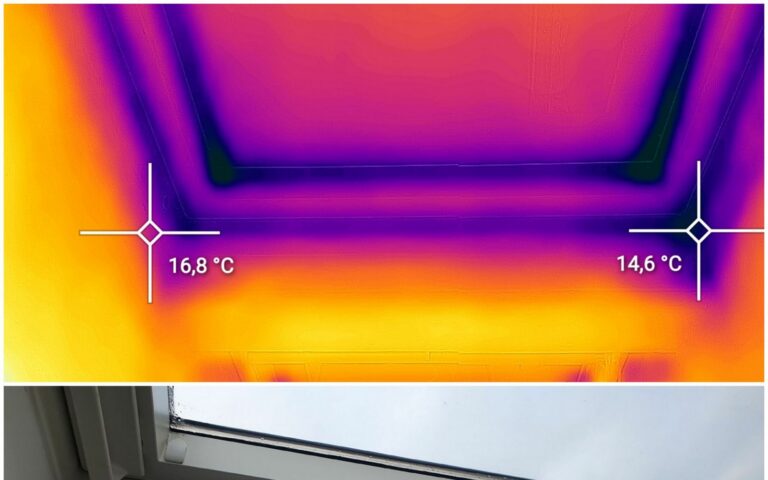
Thermal bridges in existing buildings: allowance and equivalence proof under DIN 4108 Supplement 2, what the GModG regulates and where problems arise.
Read articleTopic archive
Articles on building physics, application and cost-effectiveness.
Thermal bridges in existing buildings: allowance and equivalence proof under DIN 4108 Supplement 2, what the GModG regulates and where problems arise.
Read articleHow the U-value is calculated under DIN EN ISO 6946: layer resistances, surface resistances, a worked example and the most common errors with existing…
Read articleThe Glaser method (DIN 4108-3) checks condensation in building elements under fixed winter and summer values, and where it ends for existing walls.
Read articleWhy insulated façades drop below air temperature at night, what Fraunhofer IBP measurements show about condensation and algae, and which countermeasures exist.
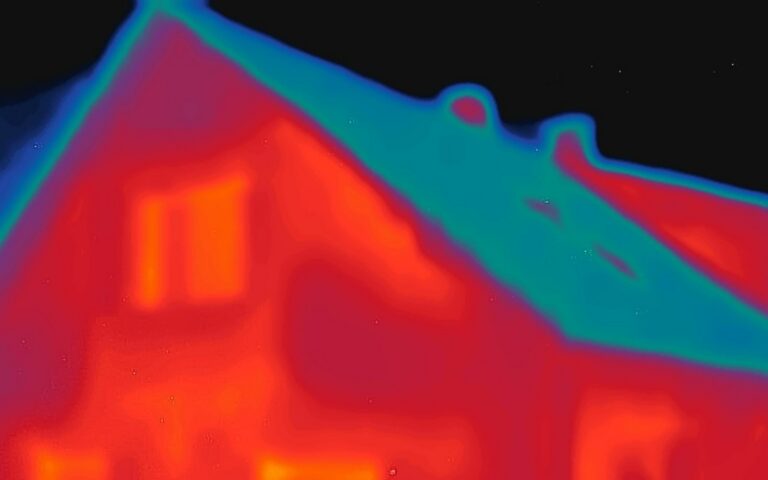
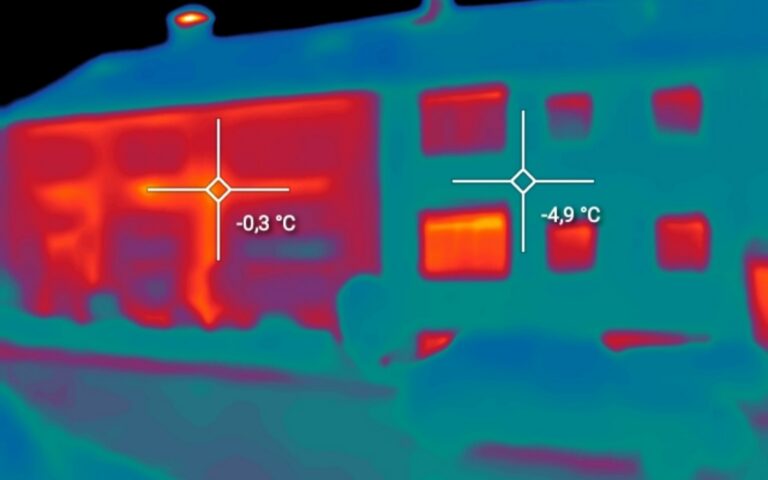
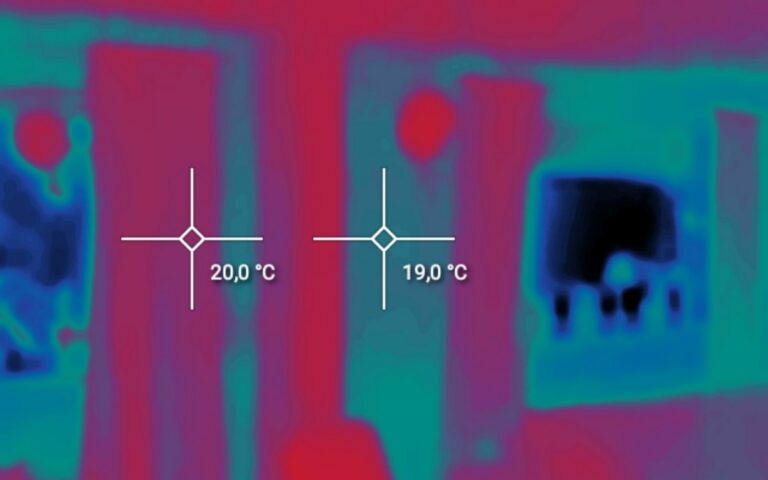
Read articleA thermal image gives you a ranking, not a measured value. Why it doesn't yield a U-value, how emissivity and colour scale distort results…
Read articleDIN EN 1062-1 only classifies; the actual requirement sits in DIN 4108-3. Why V1 is good and W1 is bad, why the three limit…
Read articleThe solar gain index, the ranking of measures, and why west-facing windows are more critical than south-facing ones. A compliance issue, not a comfort…
Read articleStefan-Boltzmann, Kirchhoff and the fourth power: what ε means, where a low emissivity demonstrably matters — and why colour tells you nothing about it.
Read articleIt isn't room temperature that decides mould growth — it's the wall's surface temperature. Why the DIN 4108-2 threshold sits at 12.6 °C —…
Read article